Silicon Valley has perfected the art of making unpaid labor feel like privilege. Nowhere is this more evident than in Google's Android Beta Program, where millions of users eagerly volunteer to test unstable software, report bugs, and endure crashes—all while Google saves tens of millions in quality assurance costs.
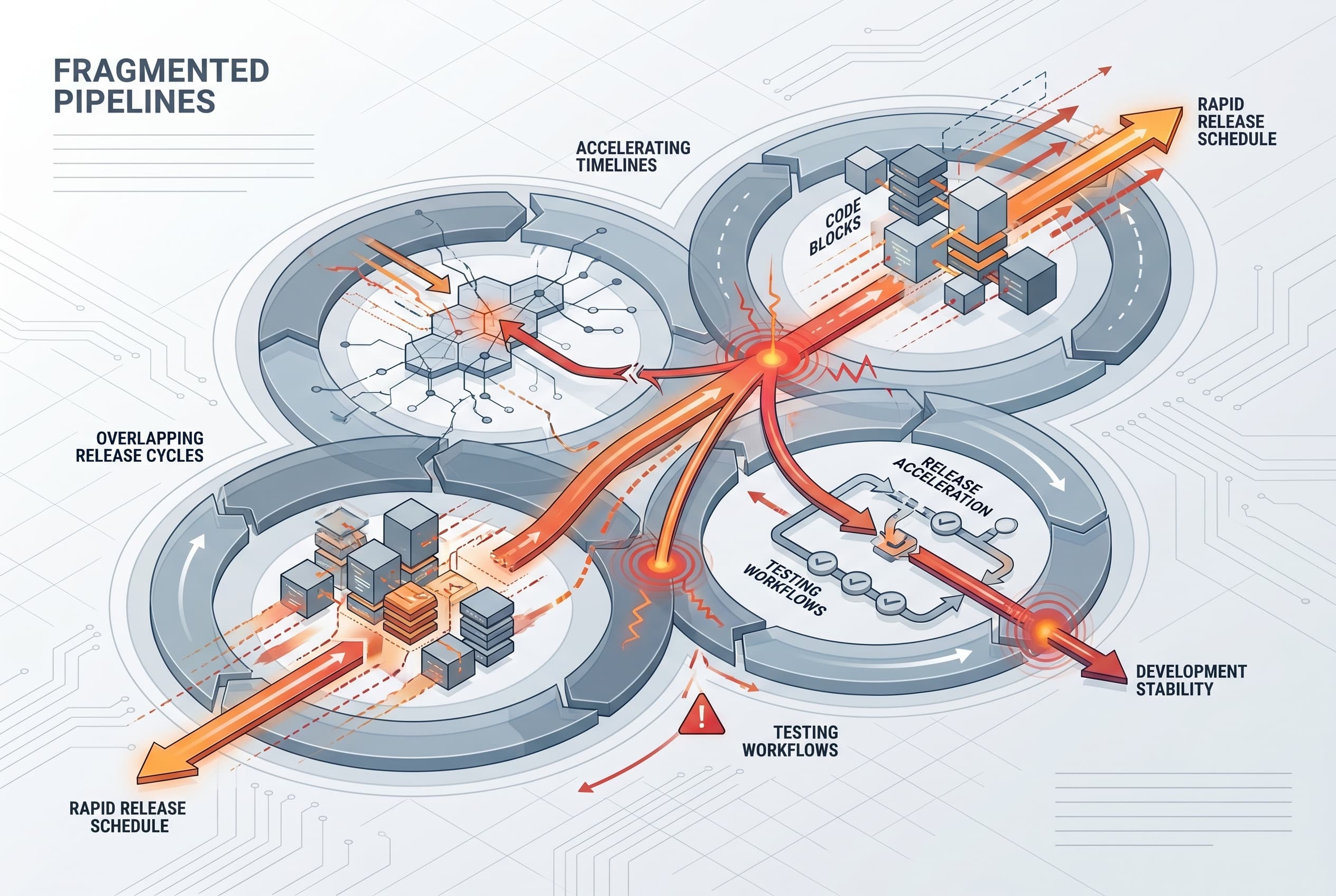
The recent acceleration of Android 17 QPR1 releases reveals just how dependent Google has become on this free workforce. With Beta 2 launching just two weeks after Beta 1 on May 6, 2026, the company is running rapid iteration cycles that would be prohibitively expensive using traditional paid testing methods. This isn't just about getting early feedback—it's about outsourcing core business functions to an enthusiastic volunteer army.
The Hidden Economics of Beta Testing
The numbers tell a compelling story. The global QA testing market is projected to exceed $50 billion by 2026, with crowdsourced testing representing the fastest-growing segment. Google's Android Beta Program effectively captures 20-30% of what companies typically spend on OS-level validation, translating to savings in the tens of millions annually.
Consider the alternative: Professional crowdsourced testing platforms like test.io charge $5-50 per valid bug report and deploy "thousands of testers" across global devices. If Google were to pay similar rates for the volume of feedback it receives through Android betas—which historically fix hundreds of bugs per release cycle—the costs would quickly escalate into eight-figure territory.
Instead, Google has created a system where users compete for the privilege of doing this work for free. The Android Beta Program requires no compensation, offers no guarantees, and explicitly warns participants about potential device instability. Yet millions opt in, driven by early access to features and the social capital of being an "insider."
The Democratic Illusion
Google frames its beta program as democratizing technology development, giving users a voice in shaping the platform they use daily. The company's official materials emphasize how "feedback helps identify and fix issues," positioning participants as co-creators rather than unpaid laborers.
This narrative obscures a fundamental power imbalance. While beta testers provide valuable labor—testing across diverse real-world conditions that would be impossible to replicate in-house—they have no say in product direction, feature prioritization, or even bug fix timelines. The "democracy" is consultative at best, extractive at worst.
The comparison to actual democratic processes is telling. Taiwan's experiments with compensated crowdsourcing for policy development recognize that meaningful participation requires fair compensation. When citizens contribute to governance, they're paid for their time and expertise. When they contribute to Google's bottom line, they're expected to be grateful for the opportunity.
The Participation Paradox
Who becomes an Android beta tester reveals the program's inherent inequities. Participation requires owning a Pixel device (Google's premium hardware), technical literacy to navigate beta installations, and the financial cushion to risk device instability. This creates a testing pool skewed toward affluent, tech-savvy users in developed markets—hardly representative of Android's global user base.
Reddit's Android Beta communities show roughly 5-10% of participants encounter major issues per testing cycle, including device crashes and data loss. These risks fall disproportionately on users least able to absorb them, while Google captures all the upside from improved software quality.
The self-selection bias is equally problematic. Unpaid beta testers are predominantly enthusiasts who may overlook usability issues that would frustrate average users. This contrasts sharply with paid crowdsourced testing, where diverse tester pools can be strategically assembled to match target demographics.
Beyond Google: The Beta Economy
Google isn't alone in this model—Apple's iOS betas and Microsoft's Windows Insider Program operate similarly. This suggests the practice has become an industry norm, normalized to the point where questioning it seems almost quaint. The collective savings across major tech companies likely reach hundreds of millions annually.
The broader implications extend beyond software testing. This model parallels other forms of unpaid digital labor: content moderation on social platforms, data labeling for AI training, and user-generated reviews that drive e-commerce. In each case, companies extract economic value from user participation while framing it as community building or democratization.
The rise of AI-powered QA tools adds another layer to this dynamic. Companies like AccelQ are developing automated testing solutions that could theoretically replace both paid crowdsourced testing and unpaid beta programs. Yet public betas persist because they provide something automation cannot: genuine human reactions to software in real-world contexts.
The Value Exchange Myth
Defenders of unpaid beta testing argue that participants receive fair value through early access to features, resume-building experience, and the satisfaction of contributing to products they use. This "value exchange" narrative conveniently ignores the massive asymmetry in what each party receives.
Beta testers get temporary access to unstable software and the social capital of being early adopters. Google gets millions of hours of professional-quality testing, bug reports that would cost tens of millions to generate through paid channels, and market validation for new features. The exchange isn't just unequal—it's exploitative.
The comparison to open-source development, often cited as precedent for unpaid contribution, falls apart under scrutiny. Open-source projects are genuinely collaborative, with contributors gaining skills, attribution, and potential career benefits. Corporate beta programs offer none of these meaningful returns.
Toward Ethical Beta Testing
The solution isn't necessarily paying all beta testers—though selective compensation for extensive feedback could be appropriate. More important is transparency about the economic value being extracted and genuine reciprocity in the relationship.
Google could offer beta testers meaningful benefits: extended warranties for devices damaged during testing, priority customer support, or credits toward future hardware purchases. Companies could also democratize the feedback process by publishing aggregated testing results and showing how user input influenced final products.
Most fundamentally, the tech industry needs to acknowledge that beta testing is labor, not privilege. Whether compensated monetarily or through other valuable benefits, the contribution of unpaid testers deserves recognition commensurate with its economic impact.
The Future of Crowdsourced Quality
As AI testing capabilities advance, the need for human beta testers may diminish for routine bug detection. However, the human element remains irreplaceable for assessing user experience, accessibility, and real-world usability. This creates an opportunity to restructure beta programs around what humans uniquely provide, with compensation reflecting that specialized value.
The Android Beta Program represents a fascinating case study in how Silicon Valley transforms users into unpaid workforce while maintaining the veneer of democratization. Until companies like Google acknowledge the true economic relationship underlying these programs, the "beta democracy" will remain more oligarchy than genuine participation.
The millions of Android beta testers aren't just early adopters—they're an uncompensated QA department that any traditional software company would pay dearly to maintain. Recognizing this reality is the first step toward creating truly equitable beta programs that benefit everyone involved, not just the corporations extracting value from volunteer labor.