The traditional approach to Android updates—waiting for the final release and hoping for the best—no longer cuts it in Google's quarterly platform release (QPR) era. Android 16 QPR2 Beta 2, released September 17, 2025, reveals a fundamental shift in how users should think about OS updates: the beta phases now serve as dress rehearsals for changes that will fundamentally alter how your device works.
The New Reality: Quarterly Updates Require Quarterly Preparation
Google's QPR model has transformed Android from annual feature dumps to quarterly refinement cycles. Beta 2 data shows this isn't just about new icons or themes—it's about systematic changes to core device functions that require proactive user preparation.
The progression from Beta 1 to Beta 2 (Build: BP41.250822.010 to BP41.250916.015.A1) demonstrates Google's refined strategy: Beta 1 introduces major features, Beta 2 stabilizes and refines, Beta 3 finalizes for stable release. This predictable pattern means users can anticipate what's coming and prepare accordingly.
Critical Timeline: Your 90-Day Preparation Window
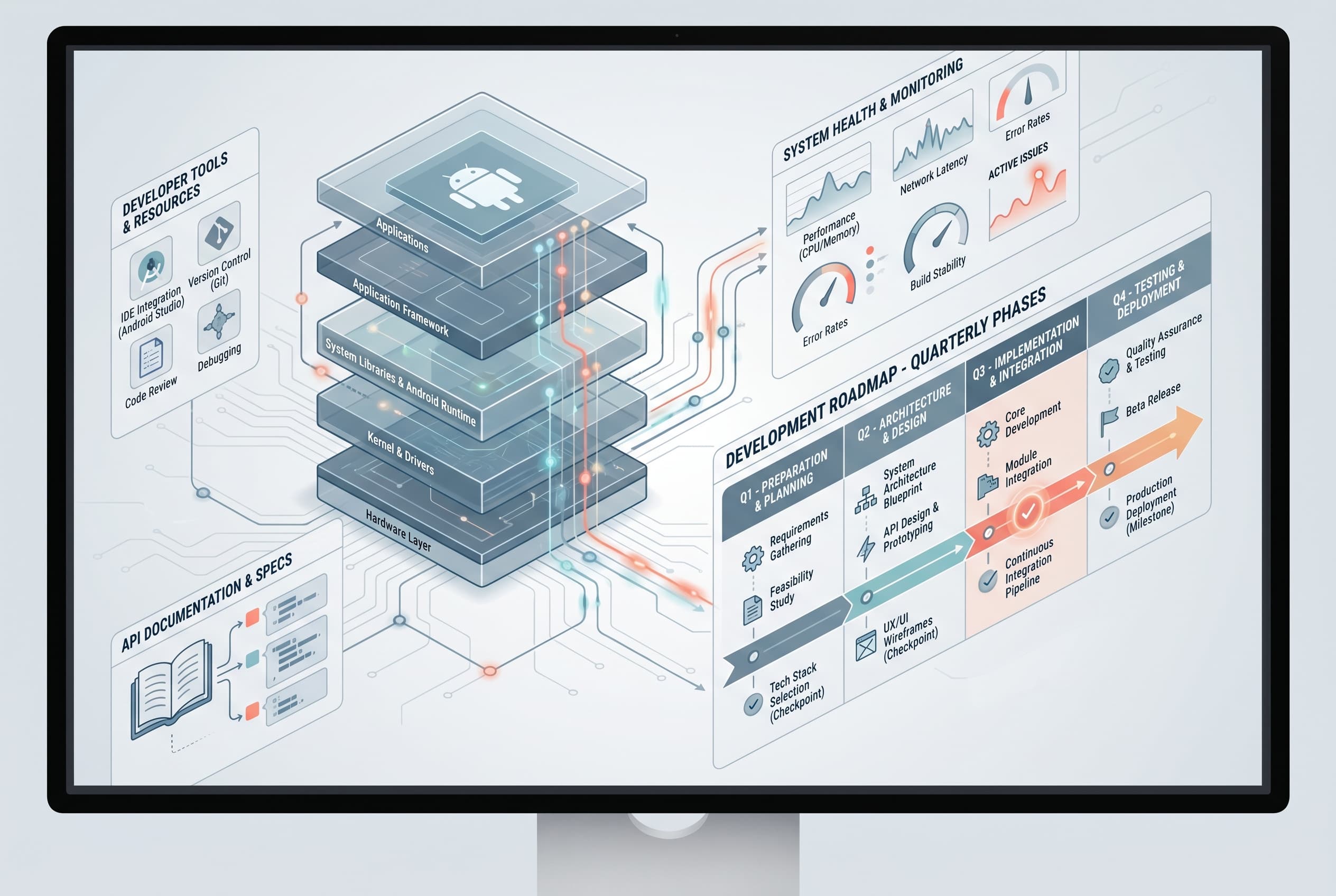
Based on beta cycle analysis, QPR2 stable release is expected in December 2025. This creates a narrow but manageable preparation window:
Immediate (October 2025): Begin app compatibility testing and backup verification 30 days out (November 2025): Complete data migration for health and fitness apps Launch day (December 2025): Execute final backup and update with confidence
The security patch progression from September 5 to October 5, 2025 between betas indicates Google is maintaining aggressive security update schedules even during beta cycles—meaning delayed updates carry increasing security risks.
The Health Connect Migration Imperative
One of QPR2's most significant changes flies under the radar: native step tracking in Health Connect. This seemingly minor addition represents a seismic shift for anyone using fitness tracking apps.
What's changing: Android will natively track steps without requiring third-party sensors or continuous location polling. This improves battery efficiency but creates potential data fragmentation.
Your action plan: Before stable QPR2 launches, audit your current fitness ecosystem. Apps like Samsung Health, Fitbit, or Garmin Connect may need reconfiguration to avoid double-counting steps or losing historical data. Export fitness data now—once native tracking begins, some third-party apps may lose access to certain metrics.
The Developer Verification Earthquake (September 2026)
While QPR2 itself launches in December 2025, it contains the infrastructure for Android's most significant app installation change since the Play Store era: mandatory developer verification starting September 2026.
The bifurcated future: Consumer devices will increasingly reject unverified apps, while ADB installations remain exempt. This creates a two-tier ecosystem where technical users retain flexibility while casual users face installation friction.
Strategic preparation: If you use apps from F-Droid, GitHub releases, or direct APK downloads, catalog them now. Developers have until September 2026 to obtain verification, but many open-source projects may not pursue it. Consider alternative app sources or learn ADB installation before the deadline.
Performance Gains vs. Compatibility Risks
QPR2's Generational Concurrent Mark-Compact (CMC) Garbage Collector promises "smoother user experience with less jank" and "improved battery efficiency." However, these low-level changes can break apps that rely on specific memory management behaviors.
High-risk app categories:
- Custom launchers that heavily modify system UI
- Password managers with deep system integration
- Gaming apps with intensive memory usage
- Developer tools and system utilities
Test these apps thoroughly during the beta window. The transition from Google Play services 25.29.32 to 25.34.34 between betas suggests significant backend changes that could affect app authentication and data sync.
The Customization Complexity Trap
QPR2 introduces extensive customization options: custom app icon shapes (5 options), enhanced dark theming, and granular haptic feedback control. While appealing, each customization point increases your device's complexity and potential failure modes.
Smart customization strategy: Enable features gradually rather than all at once. The forced icon theming adjustments between Beta 1 and Beta 2 show Google is still refining these features based on user feedback. Let early adopters identify the bugs before committing to extensive customization.
Backup Strategy for the QPR Era
Traditional Android backups assume annual major updates. QPR cycles require a different approach:
Quarterly backup schedule: Full device backup before each QPR beta and stable release. Cloud storage is insufficient—use local encrypted backups for complete app data preservation.
App-specific priorities:
- Health and fitness apps: Export data before Health Connect changes
- Password managers: Verify export functionality and test "verify before filling" toggle
- Custom launchers: Backup configuration files and widget arrangements
- Banking apps: Ensure re-authentication won't be blocked by verification changes
The Testing Protocol That Actually Works
Most users skip beta testing entirely or install betas on secondary devices. QPR2's refinement approach suggests a middle path: strategic beta exposure on your primary device.
Week 1 after Beta 2 release: Install on primary device but avoid critical tasks Week 2-3: Test daily workflows, noting any app compatibility issues Week 4: Either commit to stable release or rollback before Beta 3
This compressed testing cycle leverages the beta's stability improvements while maintaining escape options.
Regional Variations and Global Rollout Patterns
Developer verification requirements begin in "specific regions" in September 2026, suggesting a phased global rollout similar to GDPR implementation. Users in early rollout regions should prepare more aggressively, while others can observe and adapt.
Monitor Google's developer blog and Android Authority coverage for regional announcements. The staggered approach means preparation timelines vary significantly by location.
Beyond QPR2: Preparing for the New Normal
QPR2 represents Android's maturation into a platform that changes frequently but predictably. The beta patterns establish a template for future QPR cycles: expect quarterly updates with significant under-the-hood changes requiring proactive user preparation.
Long-term strategy:
- Maintain quarterly backup schedules regardless of update plans
- Develop app compatibility testing routines
- Build relationships with alternative app sources before verification requirements tighten
- Consider the total cost of customization complexity
The era of "set it and forget it" Android is ending. QPR2 Beta 2's patterns show that staying current requires active preparation, but the payoff—improved performance, security, and features—justifies the investment. The question isn't whether to prepare for QPR2, but whether you're ready to embrace quarterly preparation as the new normal.